


jackpot slots : neue Wettbewerbe und progressive Jackpots 2026
jackpot slots ist mehr als nur Glück – es ist eine Strategie, die durch kluge Auswahl der Spiele optimiert wird. neue jackpot slots zeigt dir, wie du mit gezielten Aktionen deine Gewinnchancen erhöhst.
Siehe auch:
- jackpot slots: Bilder und Screenshots
- Die wichtigsten Fakten zu echte geld jackpot slots
- Typische Bonus- und Umsatzbedingungen bei jackpot slots
- Verpassen Sie nicht jackpot slot machine für den Wettbewerb
- neue jackpot slots: Was Sie wissen sollten
- Hilfsangebote für verantwortungsbewusstes Spielen in Österreich
jackpot slots: Bilder und Screenshots
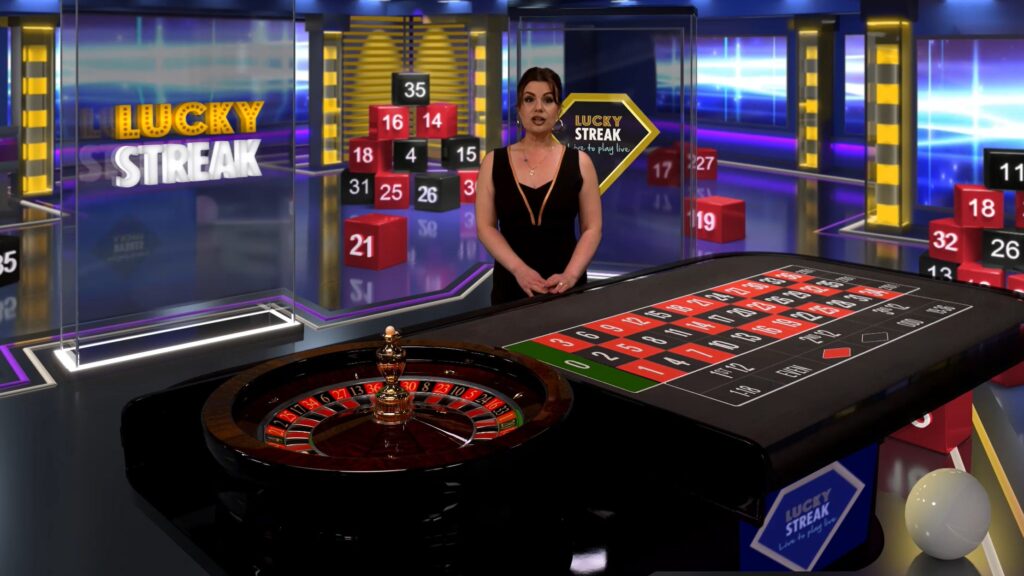
888 casino erfahrungen — professionelle Hilfe | 888 casino erfahrungen
Die wichtigsten Fakten zu echte geld jackpot slots
Biodiversity, the variety of life on Earth at all levels from genes to ecosystems, is the foundation of the ecosystem services that support human well-being. These services include provisioning services like food, fresh water, and timber; regulating services such as climate regulation, flood control, and disease regulation; supporting services like nutrient cycling and soil formation; and cultural services including recreation, aesthetic enjoyment, and spiritual enrichment. The current rapid loss of biodiversity, often termed the sixth mass extinction, is driven primarily by human activities: habitat destruction, overexploitation of species, pollution, invasive species, and climate change. This loss undermines the resilience of ecosystems, making them less able to withstand disturbances and continue providing essential services. For example, the decline of pollinators like bees and butterflies threatens the reproduction of many crops, directly impacting global food production. Similarly, deforestation in tropical regions reduces carbon storage capacity, accelerating climate change and diminishing habitat for countless species. The economic value of biodiversity is immense but often overlooked. A landmark study estimated that ecosystem services contribute over $125 trillion annually to the global economy, far exceeding the total world GDP. Yet, current economic systems rarely account for natural capital degradation. Conserving biodiversity is not merely an ethical imperative but a practical necessity for sustainable development. Protected areas, sustainable land-use practices, restoration of degraded habitats, and international cooperation are key strategies. However, these efforts must be scaled up significantly to meet targets like the Convention on Biological Diversity’s goal of protecting 30% of land and sea by 2030. Each species lost is a unique evolutionary lineage with potential benefits we may never discover. For instance, the rosy periwinkle from Madagascar provided compounds for chemotherapy drugs, saving countless lives. The loss of biodiversity shrinks our future options for medicine, agriculture, and adaptation to changing environments. Moreover, indigenous and local communities hold invaluable knowledge about biodiversity management. Their traditional practices often promote sustainable use and conservation. Integrating such knowledge with modern science can enhance conservation outcomes. The IPBES Global Assessment Report highlighted that transformative changes are needed to address the underlying drivers of biodiversity loss. This includes rethinking our relationship with nature, shifting consumption patterns, and adopting more circular economies. Individual actions matter: reducing meat consumption, choosing sustainable products, and supporting conservation initiatives. But systemic changes are crucial, such as implementing true cost accounting that incorporates environmental externalities. Policies like carbon pricing, payments for ecosystem services, and stricter regulations on pollution and deforestation can create incentives for conservation. Education and awareness are also vital. Understanding the intrinsic value of nature and our dependence on healthy ecosystems can foster a stewardship ethic. The concept of "one health" recognizes that human health is closely linked to the health of animals and the environment. Zoonotic diseases like COVID-19 emerge when humans encroach on wildlife habitats, disrupting ecological balance. Protecting biodiversity thus reduces the risk of future pandemics. The ocean, covering 71% of the planet, hosts immense biodiversity. Coral reefs, often called the rainforests of the sea, support a quarter of all marine species. They face threats from warming waters, ocean acidification, and pollution. Restoring seagrass meadows, mangroves, and salt marshes not only protects biodiversity but also sequesters carbon, aiding climate mitigation. Freshwater ecosystems are even more threatened, with freshwater species declining at twice the rate of terrestrial species. Wetlands act as natural water purifiers and flood buffers. Their loss exacerbates water scarcity and disaster risks. Soil biodiversity is often overlooked but is critical for nutrient cycling and plant growth. Soil organisms include bacteria, fungi, nematodes, and earthworms. Sustainable agriculture practices like no-till farming, cover cropping, and agroforestry enhance soil biodiversity and reduce erosion. Urban biodiversity also matters: green spaces in cities provide mental health benefits, reduce heat island effects, and support pollinator corridors. Designing cities with biodiversity in mind can improve quality of life. The role of genetic diversity within species is crucial for adaptation to changing conditions. Crop varieties with diverse genetic backgrounds can better resist pests and diseases. The extinction of wild relatives of crops, like the wild wheats in the Fertile Crescent, represents a loss of genetic resources for future breeding. Climate change poses a severe threat to biodiversity. Many species struggle to adapt or migrate fast enough. Assisted colonization, where humans move species to suitable habitats, is controversial but may be necessary for some species. Protected areas must be designed to facilitate movement along altitudinal and latitudinal gradients.
Typische Bonus- und Umsatzbedingungen bei jackpot slots
- 500 Freispiele + €500 Bonus
- 100% bis zu €300 Bonus
- 100 Freispiele ohne Einzahlung
- 25x Wetterfordernis
- 25x Bonusdurchspiel
Verpassen Sie nicht jackpot slot machine für den Wettbewerb
neue jackpot slots: Was Sie wissen sollten
Was isch en progressive Jackpot und wie funktioniert er?
En progressive Jackpot wachst mit jedem Iisatz, wo Spiler tätiget, bis eine öppis gwünnt. De Betrag wird über mehreri Spiil oder Kasinos teilt.
Was isch de Underschied zwüschet eme fixe und eme progressive Jackpot?
En fixe Jackpot het en vorhär definierte Höchstbetrag, wo nid stigt. En progressive Jackpot cha uf unbegränzti Summe aho – aber d Gwinnwahrschinlichkeit isch vil chliner.
Wie funktioniere Kasino-Turnier und was chan ich gwünne?
Bi Turnier spiile mehreri Teilnehmer gege d Zyt oder um di beschti Punktzahl. De Priispool wird under de beschte Spieler ufteilt, je nach Räng.
Wie wird de Priispool bi Turnier finanziert und was sind d Qualifikationsregle?
De Priispool stammt meistens us Iisatzgebühre oder vom Kasino. Qualifikation isch oft automatischi, wenn du mit eme minimale Iisatz oder innert eme bestimmte Zytruum spilisch.
Soll ich bi Jackpots uf de RTP luege?
Ja, de RTP (Return to Player) zeigt d langfristigi Uszahligsquote. Höcheri RTP bedütet besseri theoretischi Gwinnchance, aber progressive Jackpot-Spiil hän meistens tüferi RTP, will e Teil in de Jackpot flüsst.
Sind realistschi Gwinnerwartige bi Jackpots mögli?
Nei, die meischte Spiler gwünne nie en progressive Jackpot. D Wahrschnlichkeit isch sehr chli; behandle Jackpots als Unterhaltig, nid als Einkommensquelle.
Casinos mit jackpot slots punkten oft mit attraktiven Willkommensboni.
Hilfsangebote für verantwortungsbewusstes Spielen in Österreich
Glücksspiel ist nur für Erwachsene ab 18 Jahren gestattet. Die Aufsicht über legale Glücksspielangebote in der Schweiz obliegt der zuständigen Behörde. Nutzer können sich bei den Anbietern für ein Selbstausschlussprogramm registrieren, um sich vorübergehend oder dauerhaft vom Spiel auszuschliessen. Wir empfehlen, persönliche Einzahlungs- und Zeitlimits zu setzen und das Spielen ausschliesslich als Unterhaltung zu betrachten, nicht als Möglichkeit, Verluste auszugleichen. Bei Problemen wenden Sie sich an eine lokale Beratungsstelle für Spielsucht.